Database Security Color Icons: A Visual Guide to Data Protection
In today's digital world, data is one of the most valuable assets for businesses and individuals alike. Ensuring the security of this data is critical, and visual tools like Database Security Color Icons play a key role in communicating safety and integrity. These icons are not just decorative; they serve as powerful symbols that help users understand and interact with secure systems more effectively.
What Are Database Security Color Icons?
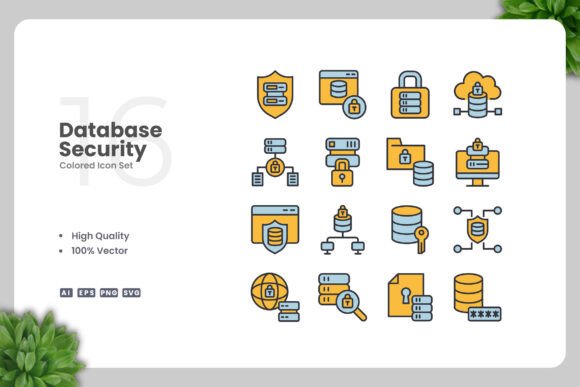
Database Security Color Icons are a set of visually distinct symbols designed to represent various aspects of database security. These icons are typically created in a simple and clean design, making them ideal for a wide range of applications. From websites and mobile apps to social media and print materials, these icons offer a consistent and professional look that enhances user experience.
Each icon is crafted with attention to detail, ensuring clarity and ease of recognition. Whether it's an icon representing encryption, access control, or data backup, the design remains intuitive and easy to interpret.
Key Features of Database Security Color Icons
- High Quality Design: Every icon is created with precision to maintain clarity at any size.
- 100 Vector Files: These icons are available in vector format, allowing for seamless scalability without loss of quality.
- 100 Customizable: Users can easily modify colors, sizes, and styles to match their brand or project needs.
- Easy Drag and Drop: The files are designed for quick integration into design software and platforms.
- Multiple File Formats: Includes source files in AI, EPS, SVG, PNG, and a Readme.txt guide for easy setup.
Why Choose a Simple and Clean Design?
A simple and clean design ensures that the icons remain effective across different mediums and contexts. This approach minimizes visual clutter, making it easier for users to focus on the core message being conveyed. For professionals and creators, this means greater flexibility in how and where the icons are used.
Whether you're designing a website, creating an infographic, or developing a mobile app, the clean design of Database Security Color Icons allows them to blend seamlessly into your existing visual language. They don't overpower the content but instead enhance it with clear, recognizable symbols.
Where Can You Use Database Security Color Icons?
The versatility of Database Security Color Icons makes them suitable for a variety of projects. Here are some common use cases:
- Websites: Use them to indicate secure login areas, encrypted data transfers, or protected information sections.
- Mobile Apps: Integrate them into UI elements to signal data protection features or user authentication processes.
- Social Media: Add them to posts or profiles to highlight security measures or data privacy policies.
- Infographics: Include them in data visualization projects to explain security concepts in a visually engaging way.
- Print Materials: Use them in brochures, flyers, or banners to communicate security standards to clients or customers.
Who Benefits from Database Security Color Icons?
These icons are particularly useful for:
- Business Owners: To showcase their commitment to data protection and build trust with customers.
- Professionals: Such as IT administrators, developers, and cybersecurity experts who need clear visual representations of security protocols.
- Creators and Designers: Who want to incorporate professional-looking security symbols into their work without the hassle of creating them from scratch.
- Online Users: Who may be looking for intuitive ways to understand and navigate secure systems.
Strengths and Considerations
Database Security Color Icons offer several advantages, including their high-quality design, ease of customization, and compatibility with various software. However, there are also considerations to keep in mind:
- Design Consistency: While the icons are clean and simple, maintaining consistency with other design elements is important for a cohesive look.
- Contextual Relevance: Ensure that the icons used align with the specific security features they represent to avoid confusion.
- Accessibility: Some users may have visual impairments, so combining icons with text labels can improve accessibility.
Real-World Applications
Let’s explore a few practical scenarios where Database Security Color Icons can make a difference:
- Secure Login Page: An icon representing encryption can be placed next to a password field to reassure users that their data is protected.
- Data Backup Dashboard: A backup icon can be used to indicate that data is being safely stored and protected against loss.
- Privacy Policy Page: Icons can be used to illustrate different aspects of data handling, such as consent, storage, and deletion.
- Security Training Materials: In educational content, icons can help explain complex security concepts in a more digestible format.
How to Evaluate Suitability
Before choosing Database Security Color Icons, consider the following factors:
- Project Requirements: Determine what specific security features you need to represent and whether the icons cover those aspects.
- Brand Identity: Ensure that the color scheme and style of the icons align with your brand guidelines.
- Technical Compatibility: Check if the file formats provided meet your design and development needs.
- User Experience: Test the icons in real-world scenarios to ensure they are intuitive and effective.
Conclusion
Database Security Color Icons are a valuable resource for anyone looking to communicate data protection and security clearly and effectively. With their high-quality design, customizable options, and broad applicability, they offer a practical solution for a variety of projects. Whether you're a business owner, designer, or developer, these icons can help enhance your work and provide users with a clearer understanding of security measures.
By incorporating Database Security Color Icons into your designs, you not only improve visual communication but also reinforce trust and professionalism in your work. As technology continues to evolve, having reliable and versatile visual tools will remain essential for both creators and consumers alike.